Key Points about the Spedagi GORo Nusantara G20 bicycle

Key Points about the Spedagi GORo Nusantara G20 bicycle

1. The Spedagi GORo Nusantara G20 bicycle was created collaboratively with mutual cooperation (gotong royong) across supply chains between villages and cities with support from Small-Medium Enterprises, involving engineers, artisans, experts and academics, activists and Mama Bambu farmers.

2. GORo stands for gotong royong, a key principle of Indonesia’s Pancasila code and a universal value which should underpin international cooperation to bring about a healthier, more just and sustainable way of living.

2. The main material used is an icon of eco material with important economic and cultural functions. The low carbon future needs bamboo.

3. The Spedagi GORo Nusantara G20 bicycle is a real form of Green Mobility made possible by Sustainable Investment Partnership.

4. The climate crisis threat is leading to a resurgence in bicycling as an environmentally friendly lifestyle.

5. The Spedagi GORo Nusantara G20 bicycle has a larger rear wheel to represent the developed nations of the world as the drivers. The smaller front wheel represents the developing nations who should be given the opportunity to decide the direction taken.


Green mobility and rural empowerment: the Spedagi GORo Nusantara G20 bicycle

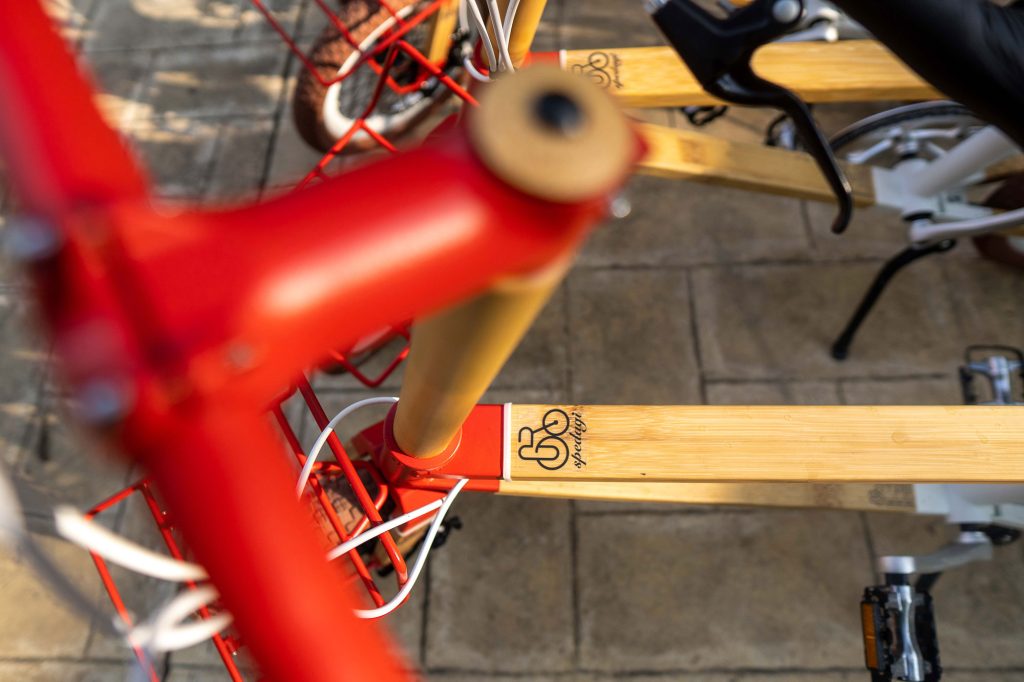
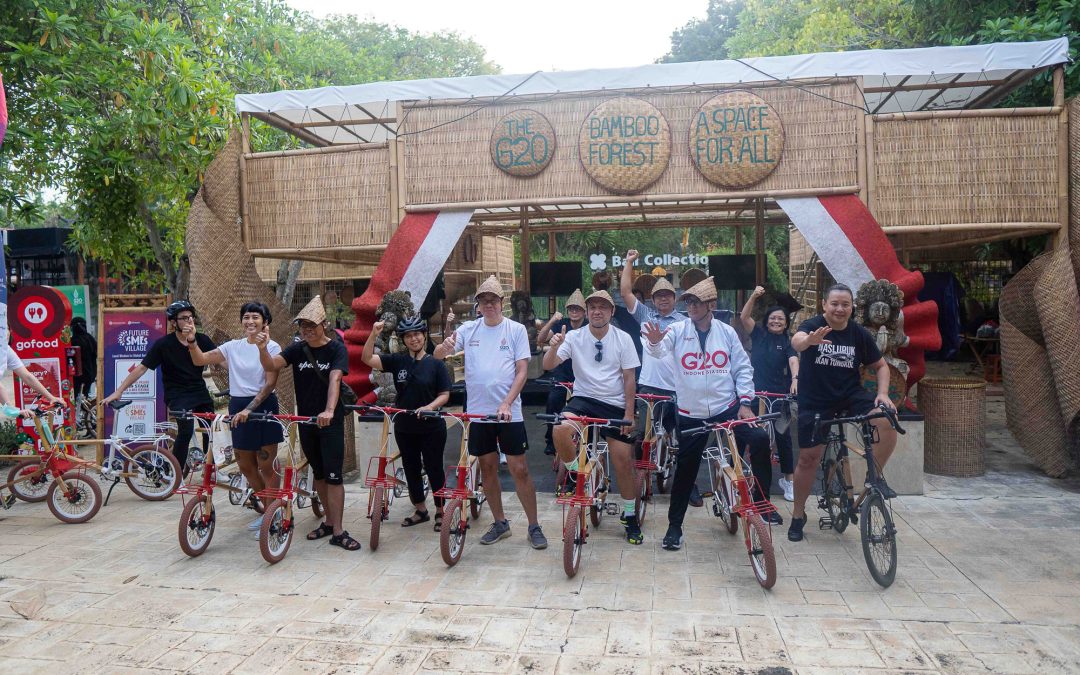
Spedagi GORo Nusantara is a bamboo bicycle specially made for use at the G20 Summit by delegates and meeting participants. The name ‘GoRo’ on Spedagi GORo Nusantara is an abbreviation of the word gotong-royong, which translates loosely to ‘mutual cooperation’ and is deeply rooted in traditional Indonesian communities.

The idea of ​​Spedagi GORo Nusantara was born from the creative mutual cooperation of the Environmental Bamboo Foundation and the Spedagi Movement, a form of cooperation that traveled from villages to cities, across provinces and seas, involving Bamboo Mamas in East Nusa Tenggara, artisans, environmental activists, and social movements in Java, and national bicycle industry stakeholders.
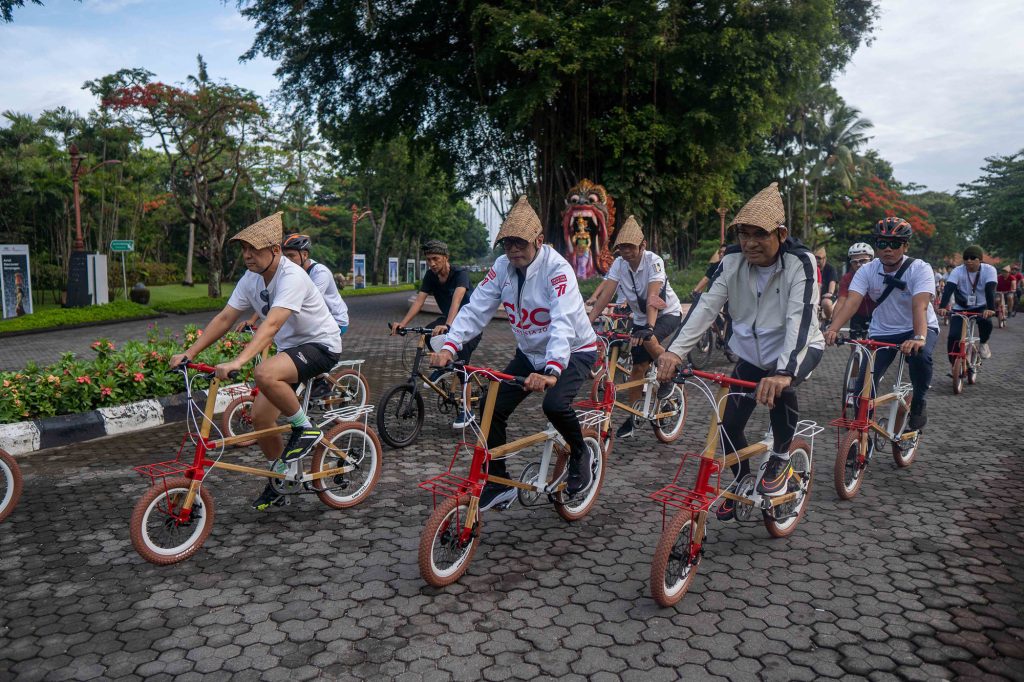
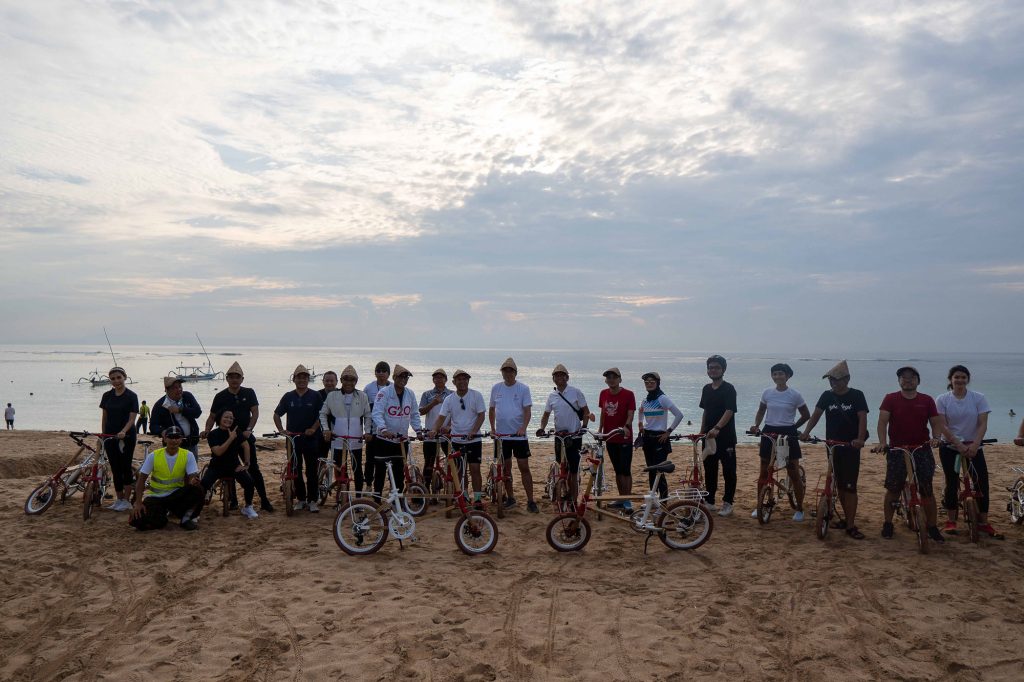


The bike represents so many principles and desires for the future of Indonesia: a revitalization of rural areas, gender equality, sustainable resource management, green mobility and the circular economy. “In designing each type of Spedagi bamboo bicycle, we always strive to provide quality bamboo bicycles at affordable prices to realize green mobility,” said Singgih S. Kartono, the initiator of the Spedagi movement.

Spedagi GORo Nusantara was created to foster a love for bamboo, and to represent the value of gotong royong in modern life. Moreover, because gotong royong is a universal value that exists in all nations in the world: working together without transactional considerations, but based on conscience and an attitude of helping and giving to each other in the public interest.

The Spedagi GoRo Nusantara G20 bamboo bicycle is a low carbon product created within the circular economy. This bicycle is specially equipped with a bamboo basket containing small and medium business products curated based on the principles of a circular economy, local wisdom, and village empowerment.
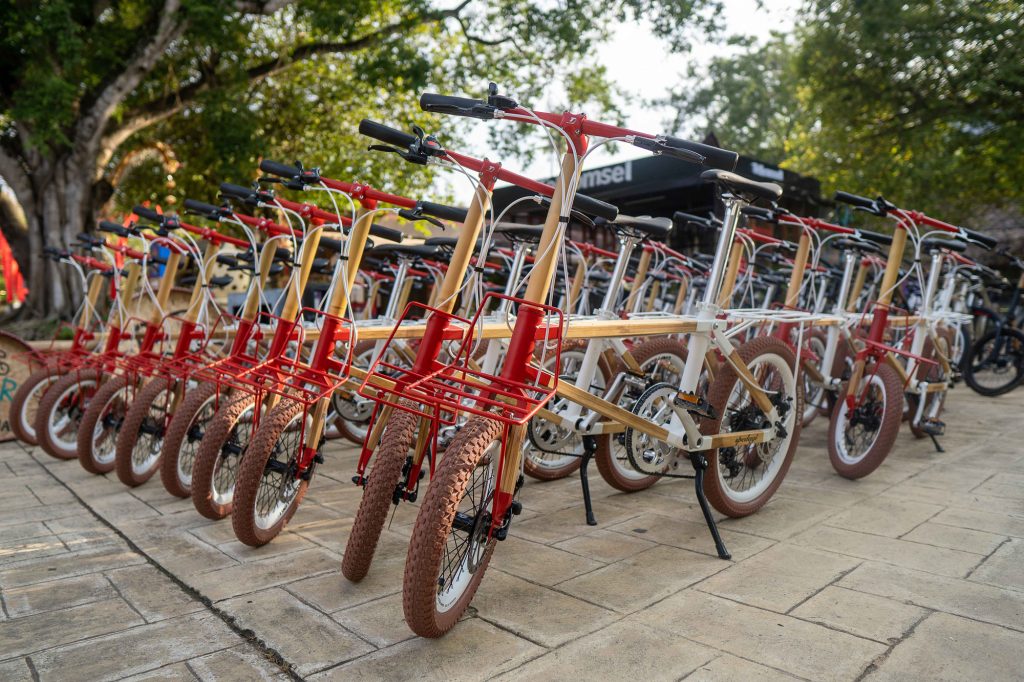
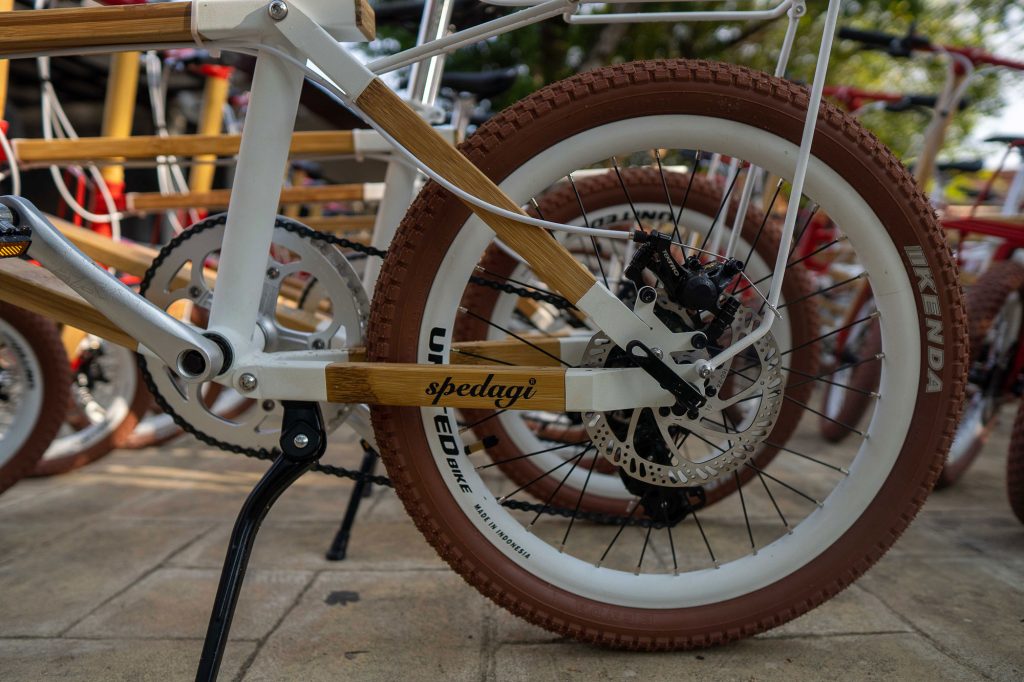
 

The main material for the Spedagi GoRo Nusantara bicycle frame comes from bamboo, a special plant capable of restoring degraded land, storing water, and absorbing carbon. The Petung bamboo (Dendrocalamus asper) used as the main material for Spedagi GoRo Nusantara comes from bamboo forests in Ngada, Nagekeo, Ende, Sikka, West Manggarai, East Manggarai, Manggarai (Flores Island, East Nusa Tenggara), Ketapang and Katingan (Kalimantan), Mojokerto and Temanggung (Java).

The Spedagi GORo Nusantara bicycle was made possible only with the support of the Environmental Bamboo Foundation, Spedagi, Bambubos, PT YPTI, EIGER, United Bike, Multi Bintang Indonesia, Rimba Makmur Utama Katingan – Mentaya Project, and Diageo Indonesia.
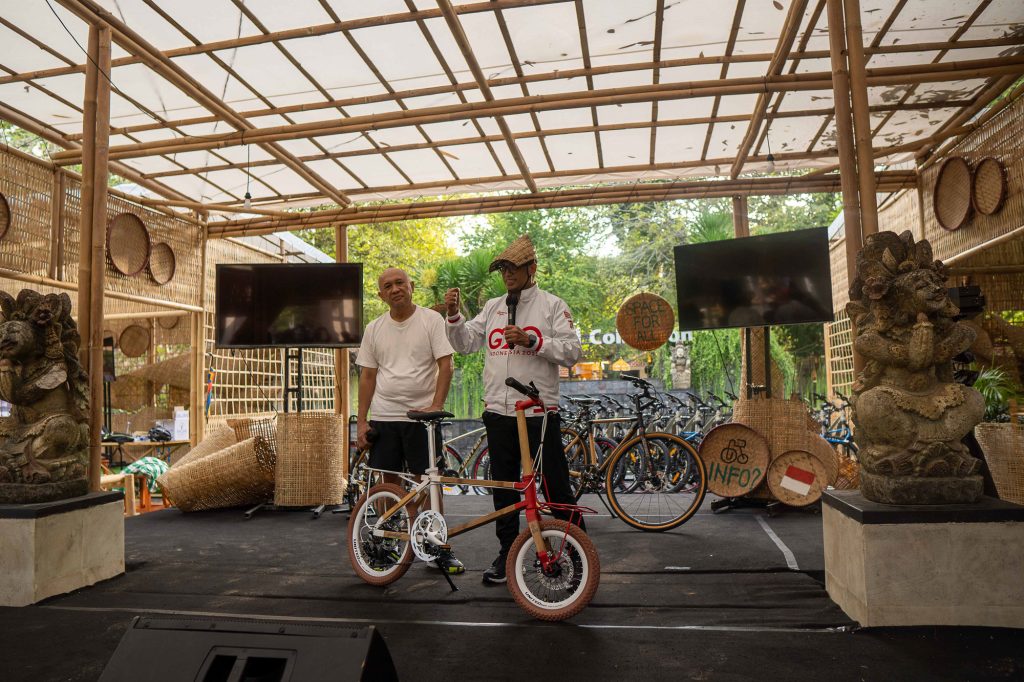


Currently, more than 1500 types of bamboo uses have been identified, ranging from construction and furniture, to textiles and energy. Bamboo use is historically and culturally ingrained in Indonesian life, especially in rural areas. Cultivating bamboo means village resilience, from an ecological, economic and socio-cultural perspective.

Spedagi’s bikes won the Gold Award for Good Design Japan 2018, completed a 1,200 kilometers route in the Paris-Brest-Paris event in 2019, and covered 3,700 kilometers from Sabang to Denpasar in the Journey from Zero event in 2022.

The production of Spedagi GORo Nusantara G20 is funded by green investment. With a new business model that is fair, inclusive and innovative, involving Bamboo Mamas, bamboo artisans, small, medium and large businesses, innovators and investors. This is the first step to provide quality bamboo bicycles at affordable prices. This bicycle is expected to be accessible to the wider community and contribute to the green economy.
 

Watch the film

Pasar Bambu at Turetogo Bamboo Campus in NTT

Pasar Bambu at Turetogo Bamboo Campus in NTT

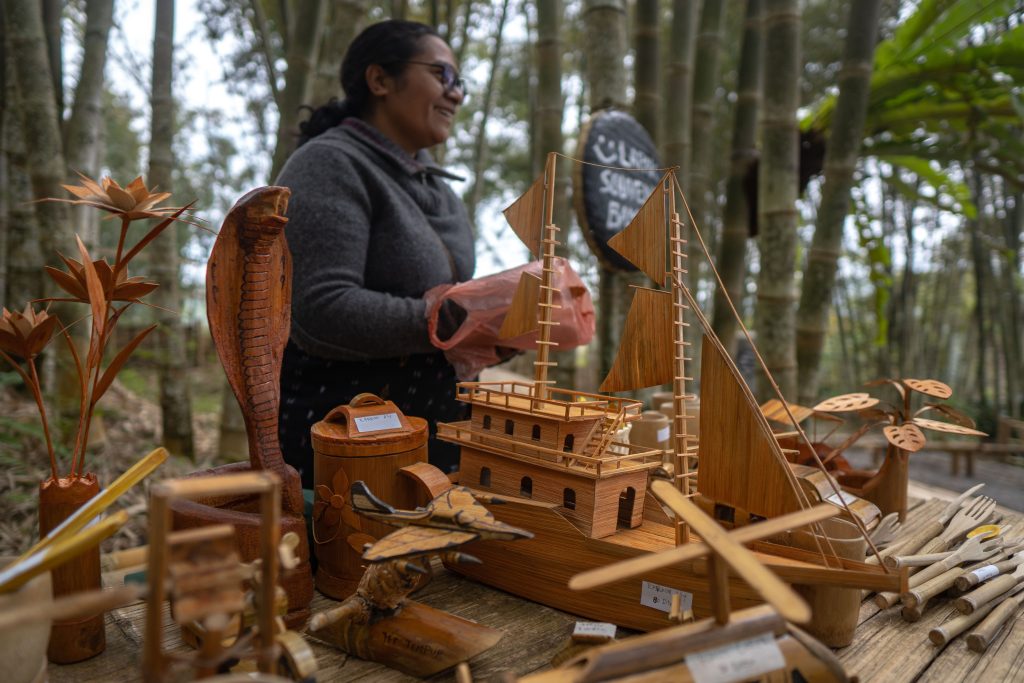
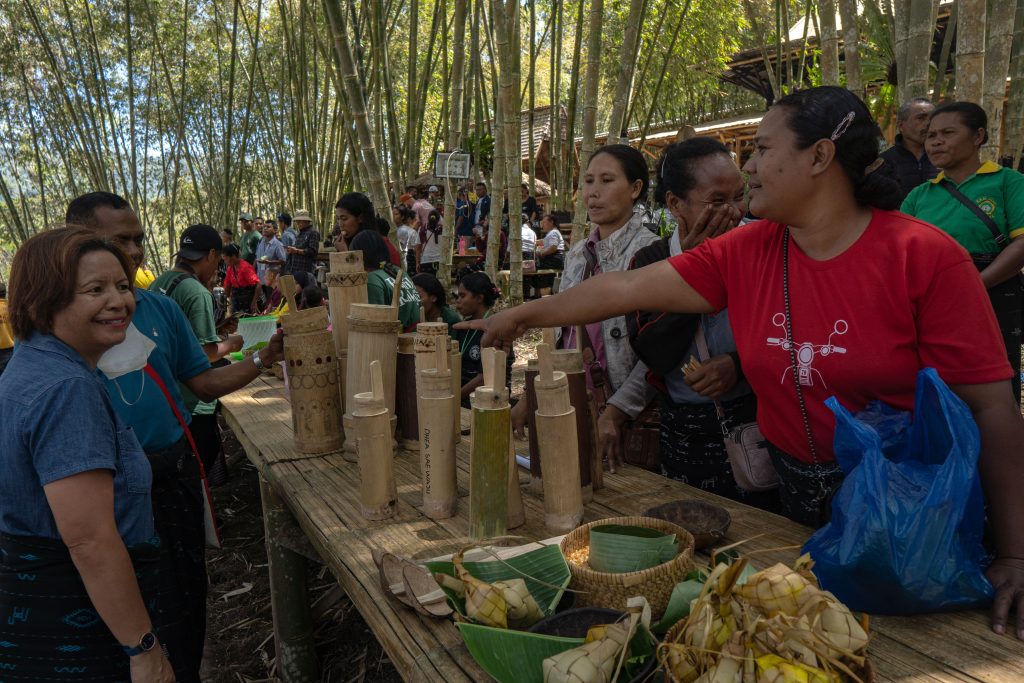
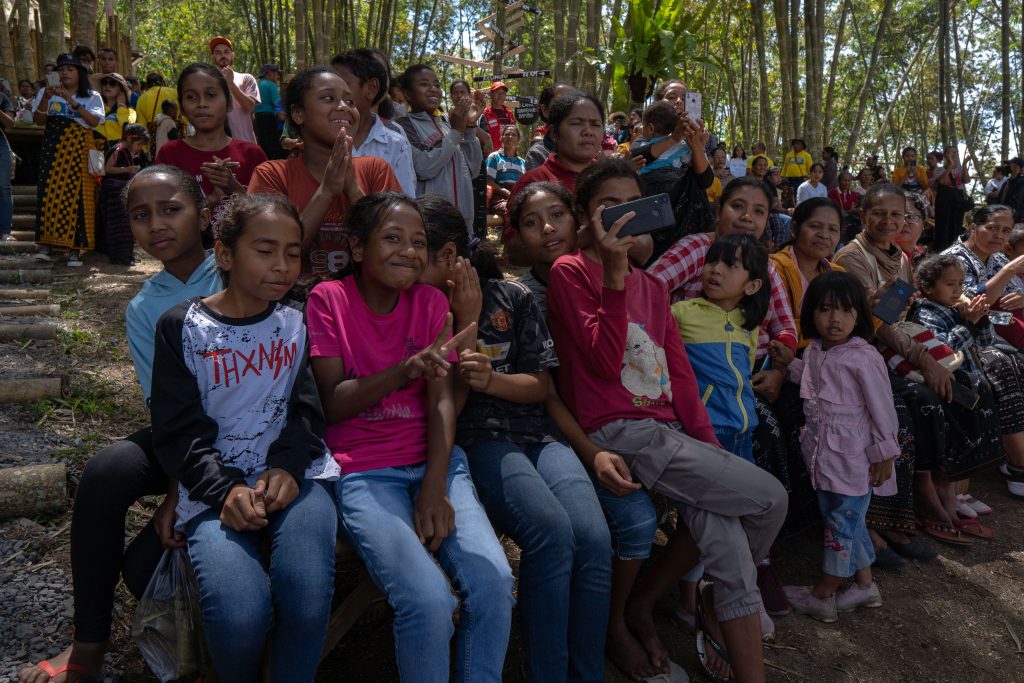
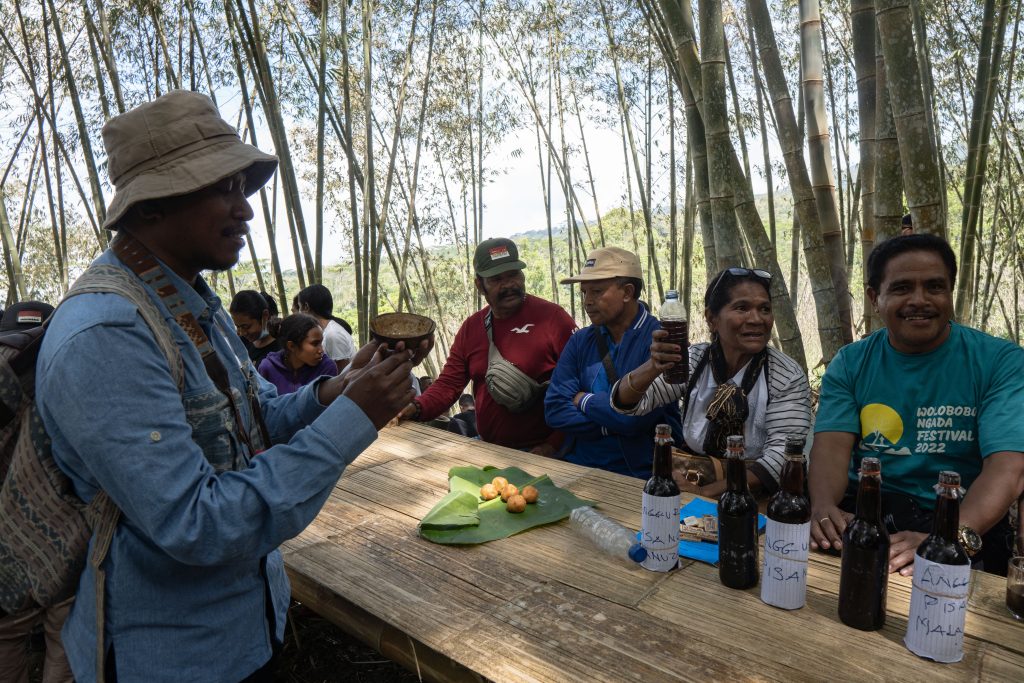
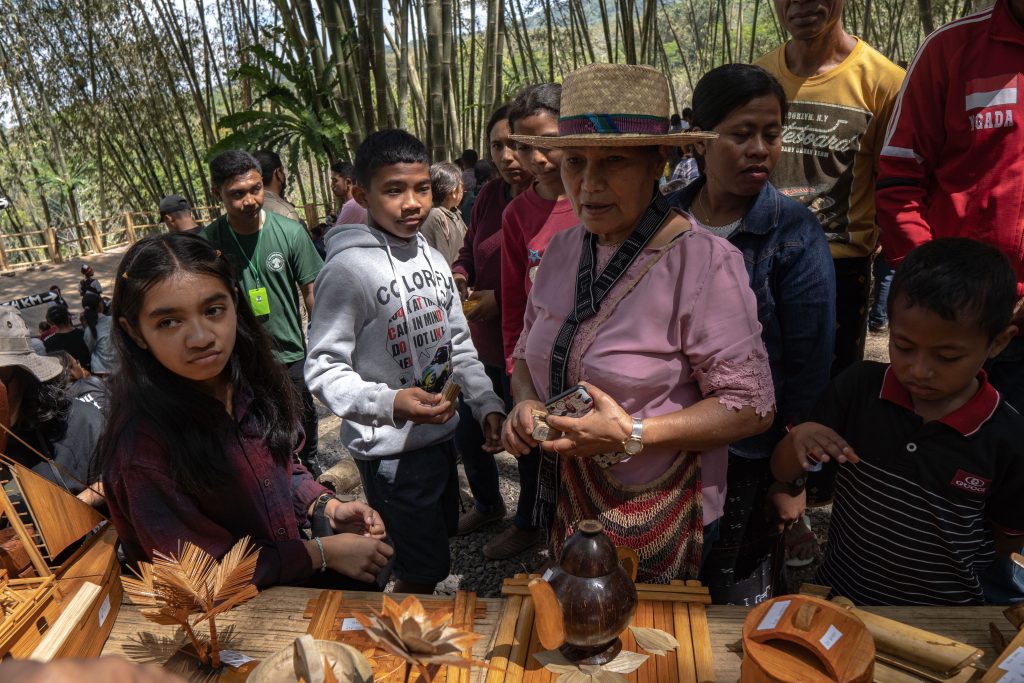
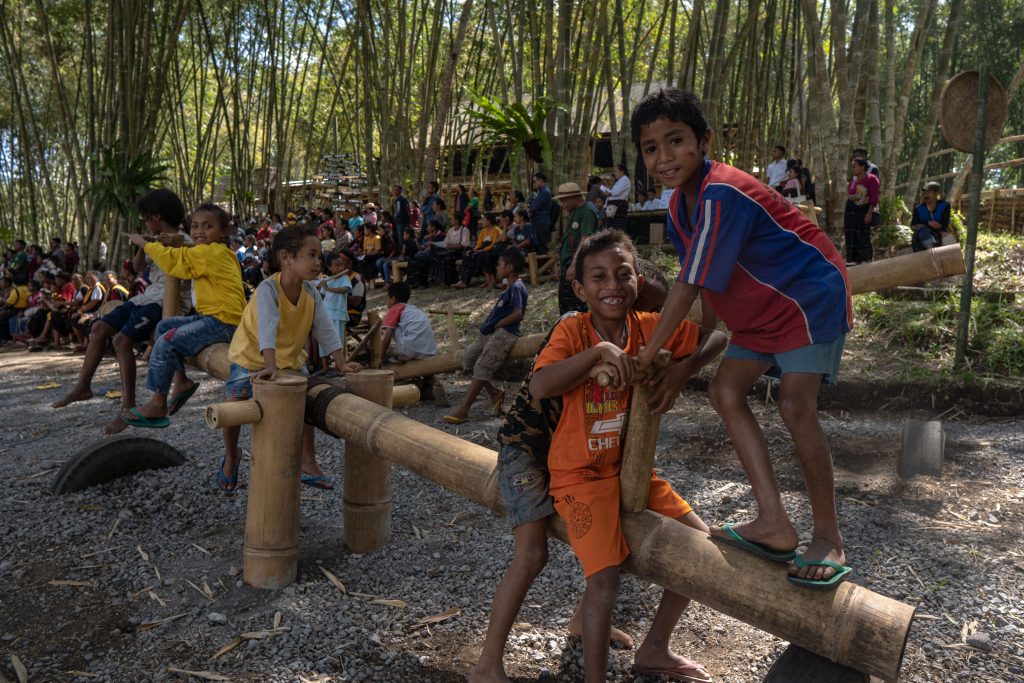
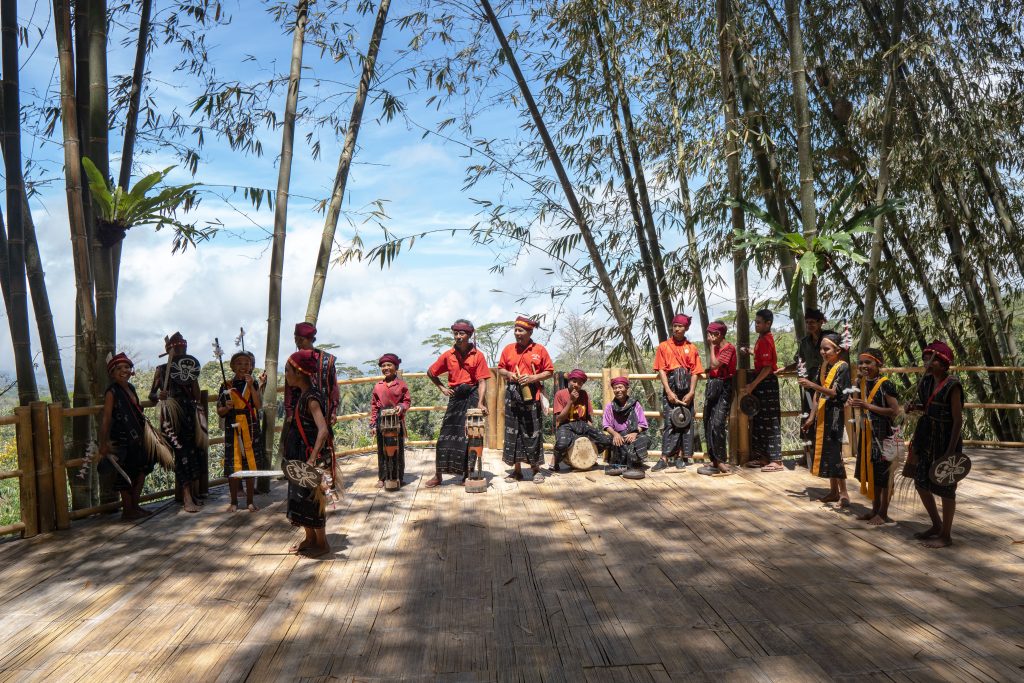
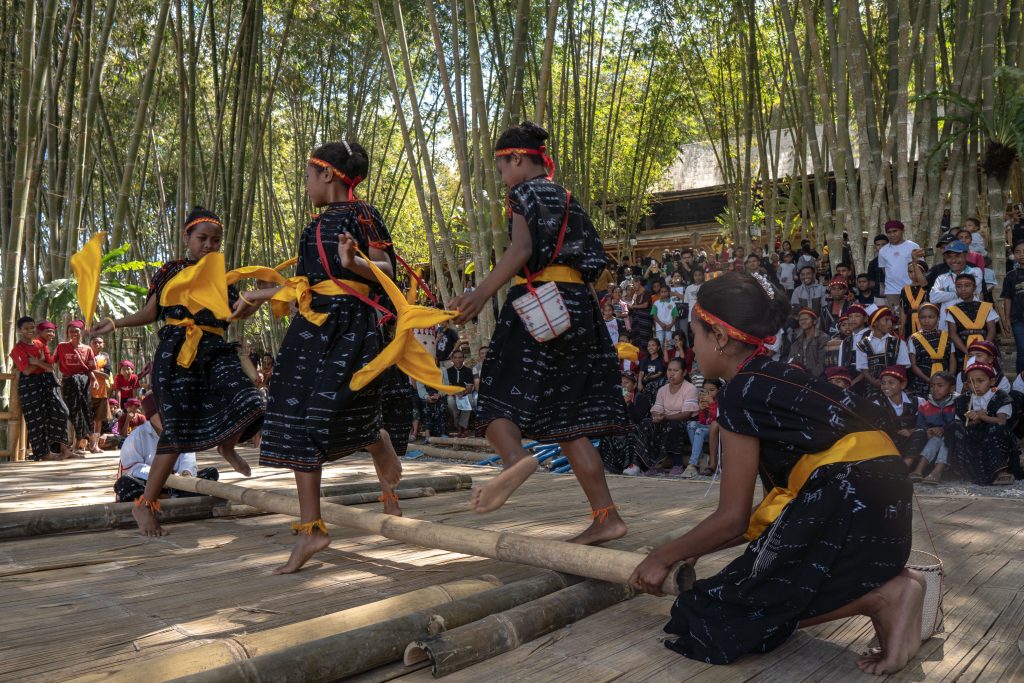
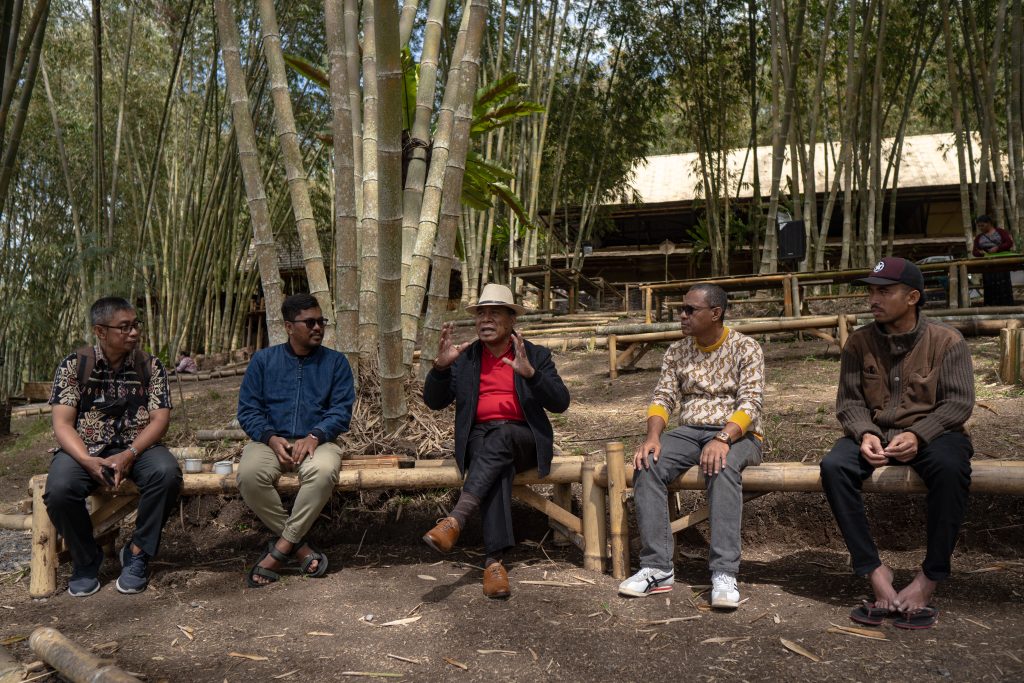
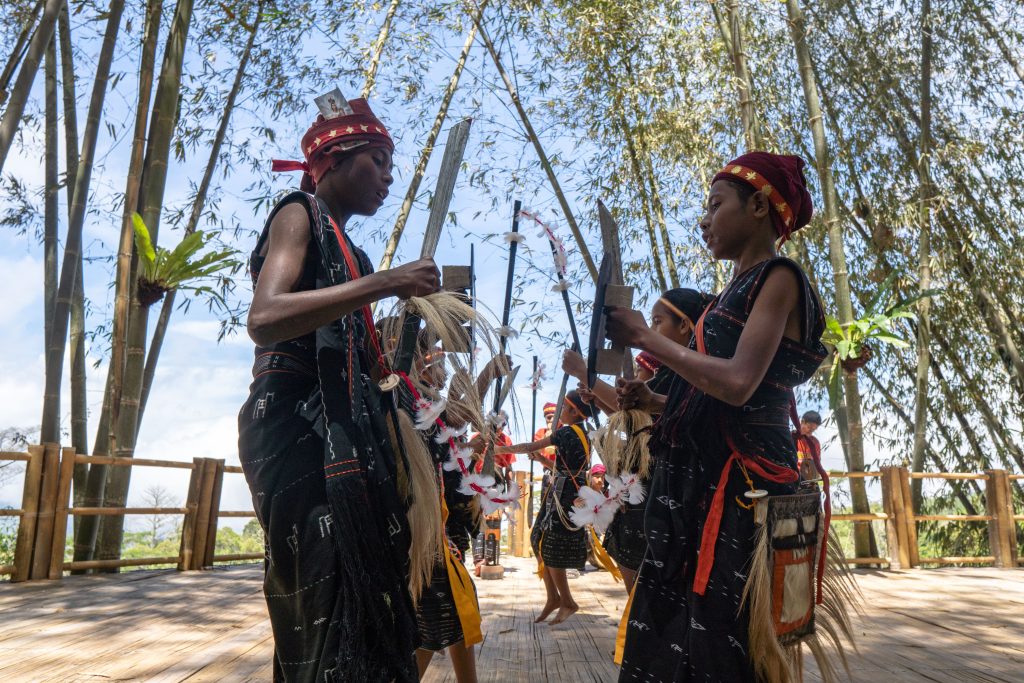
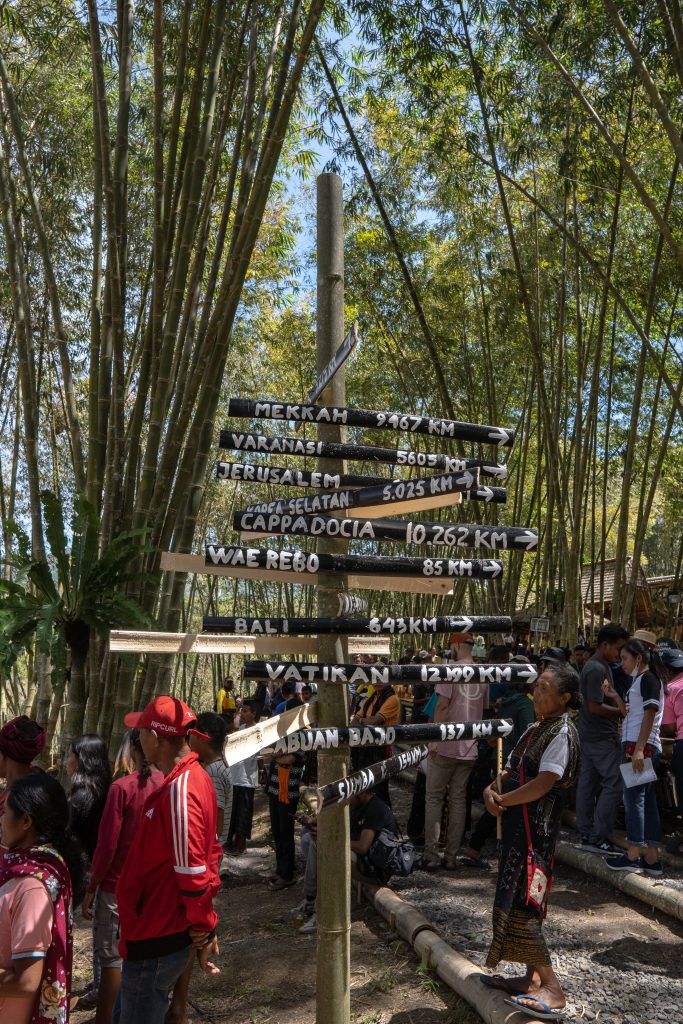
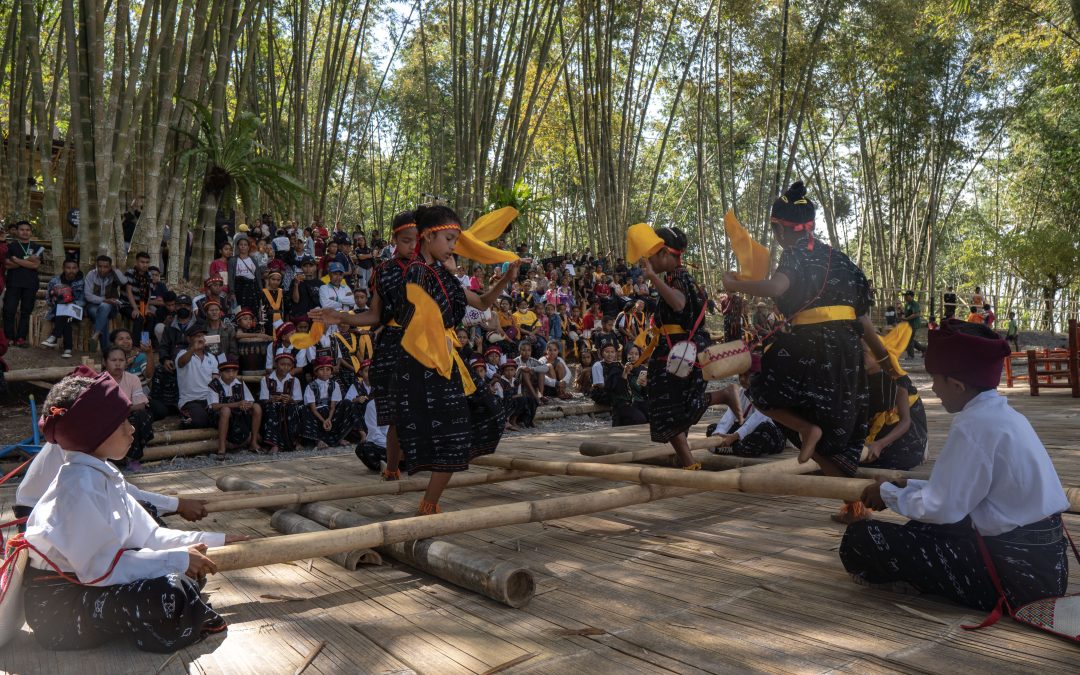
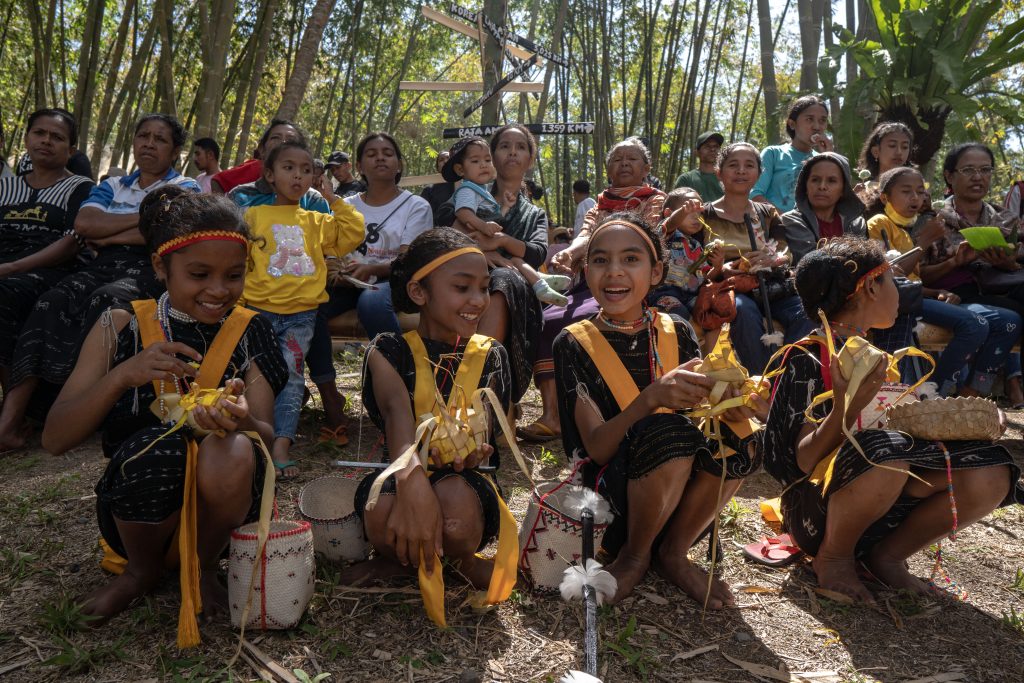
Inspired by the Spedagi Movement’s Pasar Papringan, a traditional market held in a bamboo grove in Java, we held a Bamboo Market on our Turetogo Bamboo Campus in NTT! It was a huge success, with traditional performances using bamboo instruments, bamboo toys and handicrafts, and more.

To learn more, watch the Metro TV segment (Bahasa Indonesia) or the Antara article (which can be automatically translated on Google). We’re looking forward to the next one already!

All photos by Ulet Ifansasti.

Winners of the 2022 “Bamboo for the People” Photo Competition

Winners of the 2022 “Bamboo for the People” Photo Competition

In honor of World Bamboo Day 2022, we held a “Bamboo for the People” Photo Competition. We had so many incredible entries that truly showed us the depth and breadth of Indonesia’s economic, cultural and environmental relationship with bamboo.

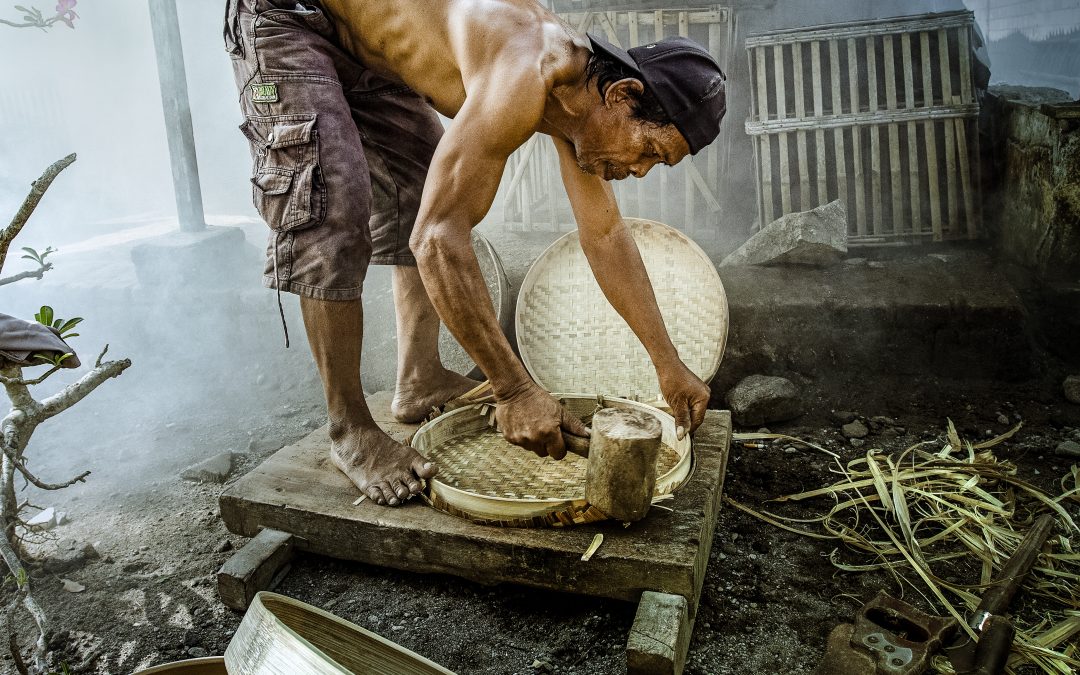
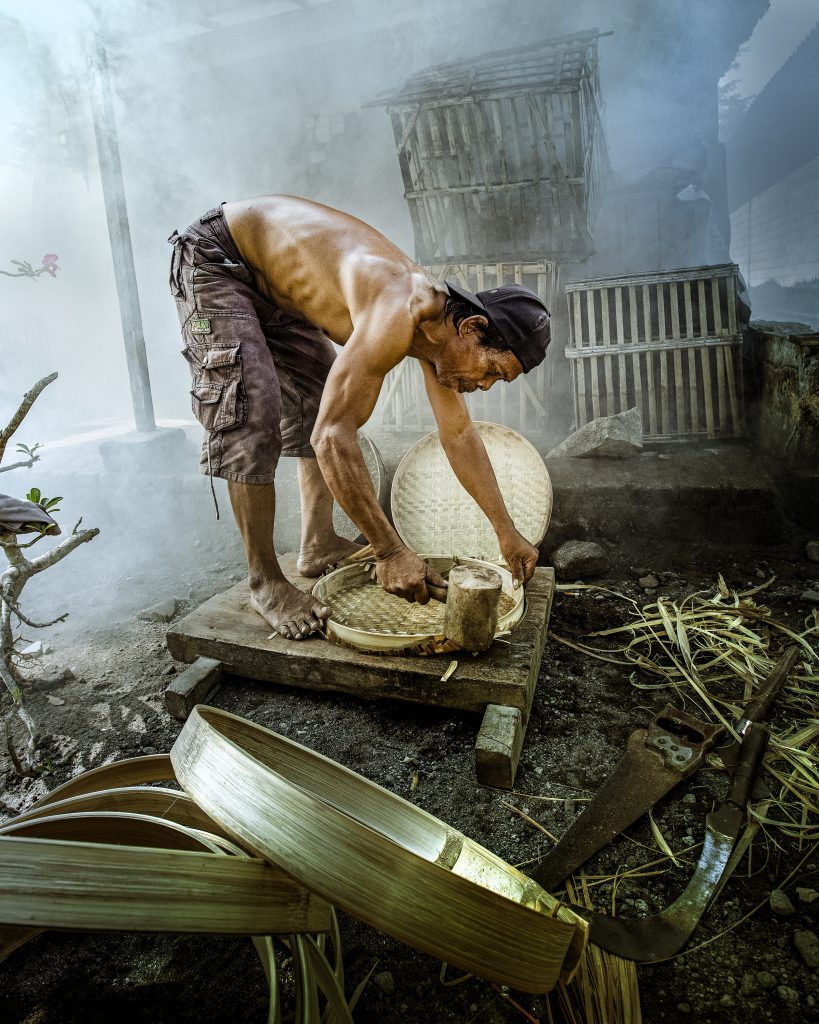
In first place: “The Maker” by Suhendro Winarso⁠.

Juara 1: Dia yang bekerja dengan rajin tidak perlu putus asa, karena segala sesuatu dicapai dengan ketekunan dan kerja keras.⁠

Congratulations to all the winners and thank you to everyone who joined in. All the photos can be seen under the hashtag #bambuuntukrakyat over on Instagram. Please give them some love.

In second place, the stunning “Going Home”, by @cakulumkriwul. A man heading home with his bamboo pole harvest. ⁠

Juara 2: Pulang. Seorang bapak habis mengambil bambu dari ladang untuk dijadikan jembatan di dekat rumahnya bambu adalah bahan yang mudah ditemui dan kekuatannya sudah tidak diragukan lagi. Zaman dahulu hanya bambu yang dijadikan bahan bangunan bahkan perang pun pahlawan kita hanya menggunakan bambu runcing.

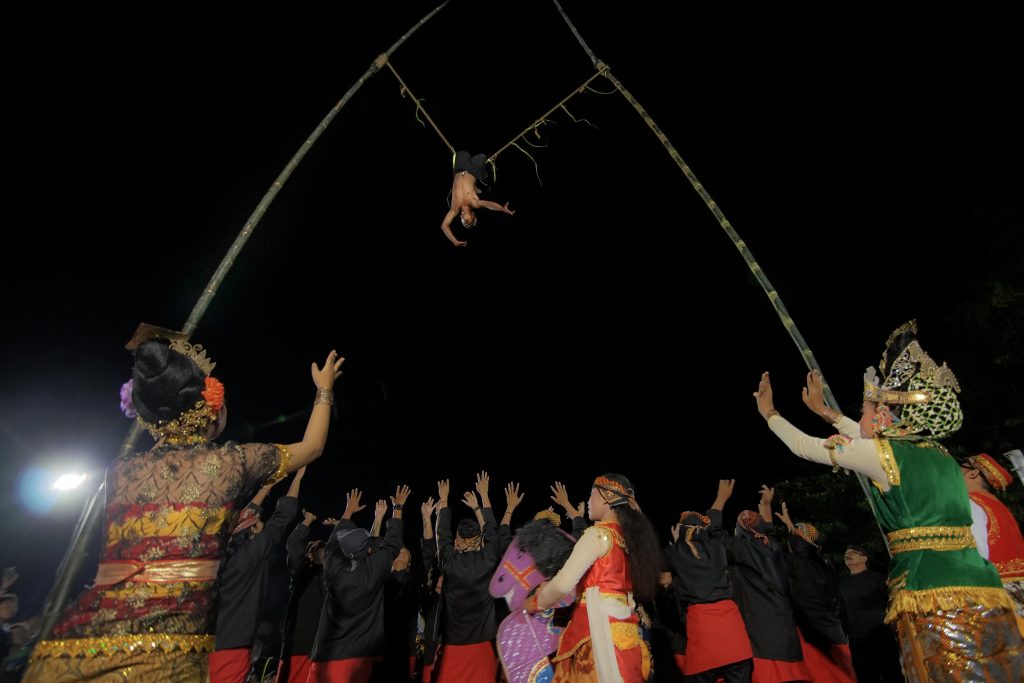
This incredible photo of a traditional acrobat using bamboo is in 3rd place in our Photo Competition. Taken by Wahyu Budiyanto (@toa.photos)⁠

Juara 3: Atraksi Tradisional Sandur Kalongking. Atraksi ini biasanya di babak terakhir sebuah pertunjukan rakyat Sandur yang ada di Bojonegoro. Atraksi dimulai dari seseorang pemain kelongking memanjat batang bambu yang sudah disiapkan kemudian melakukan atraksi di tengah tali yang ditopang 2 batang bambu yang menjulang kokoh. Atraksi kalongking dipercaya oleh masyarakat sekitar sebagai sebuah symbol perjalanan hidup manusia.

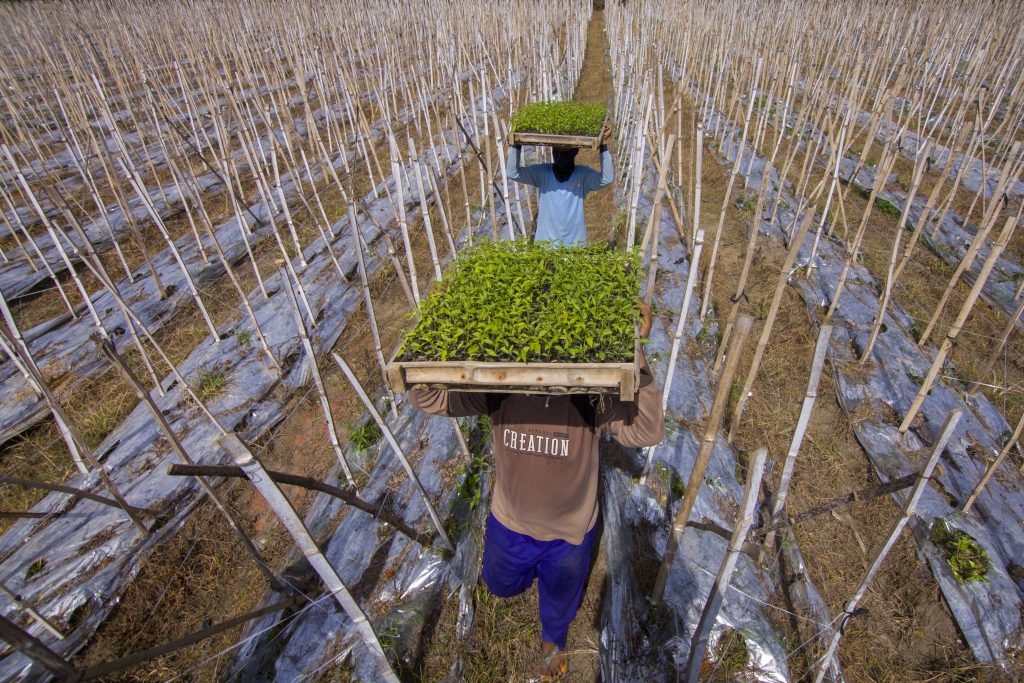
This photo of bamboo helping farmers in their lives has taken 4th place! Captured by Igam Marendra (@asegafphoto)⁠

Juara 4: Bambu Penopang Pertanian: Sifat bambu yang kuat dan tahan dari air, suhu, udara, dan tekanan yang kuat membuat para petani memilih bambu sebagai penopang tanaman cabai atau jenis tanaman yang merambat. Kelak juga bambu bisa dipakai kembali apabila dibutuhkan karena ketahannya yang baik. Selain itu juga dapat dimanfaatkan sebagai wadah bibit siap tanam, dll. ⁠

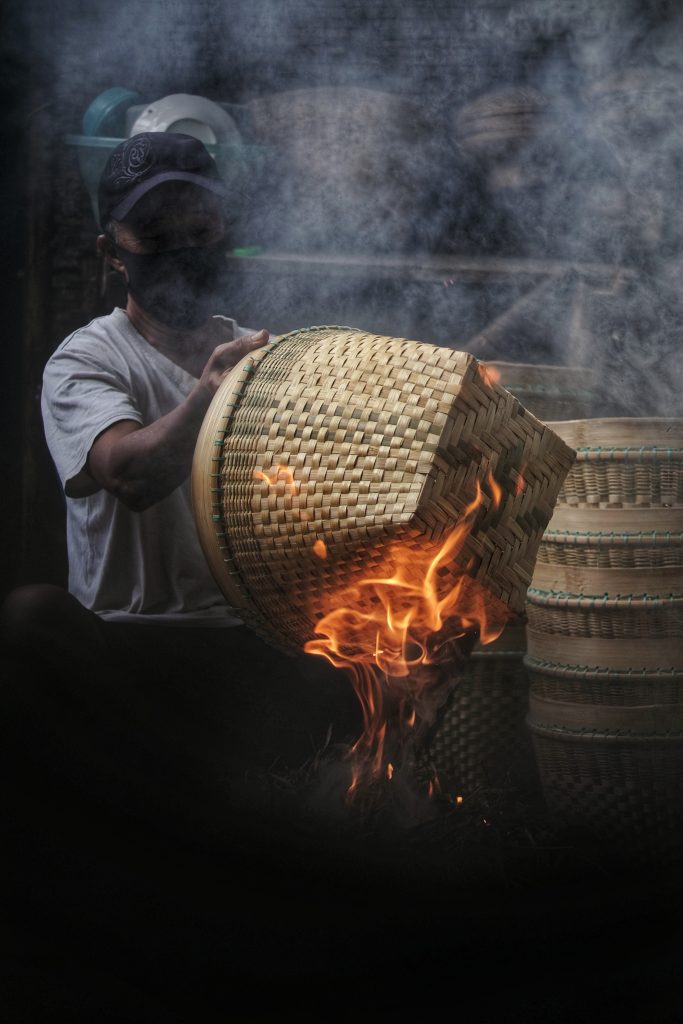
In 5th place, “Productivity and Creativity” by @therenegade_7seven, celebrating the beauty of bamboo handicrafts. ⁠

Juara 5: Pengolahan bambu sebagai komoditas yg bisa menaikkan sektor perekonomian rakyat. Berbagai macam kreativitas seperti produksi Tenggok atau tempat padi menjadi salah satu alternatif memaksimalkan pengolahan bambu.

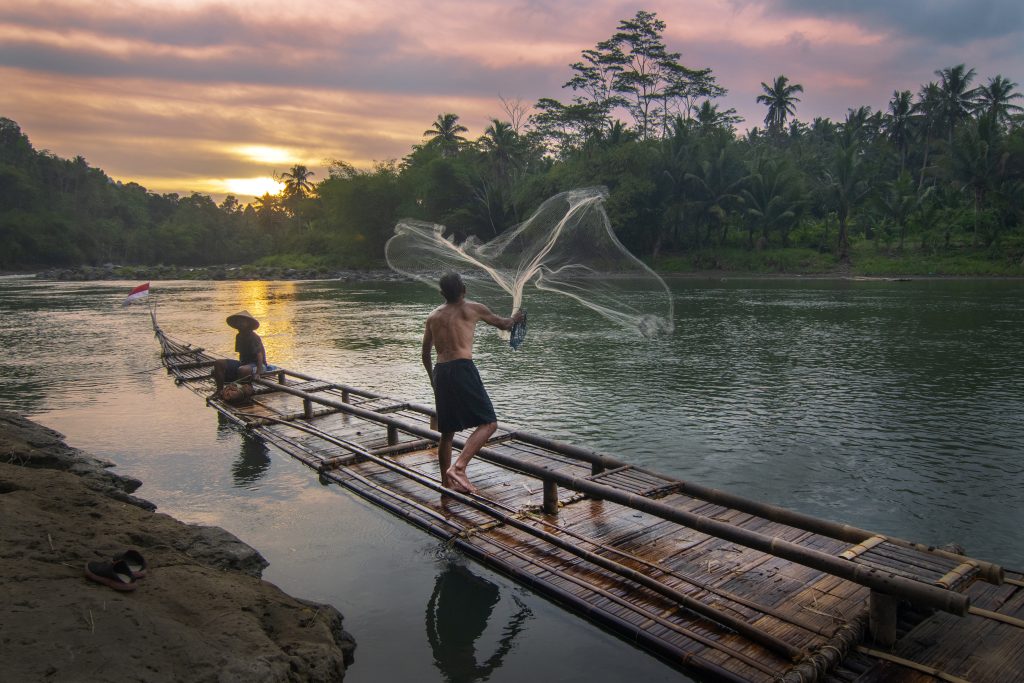
This beautiful photo of a fisherman throwing a net from a bamboo raft is in 6th place in our Photo Competition. Captured by Nur Wahyu (@nourwahyou)⁠

Juara 6 : Dari puluhan bambu yang terikat kuat dan menyatu, maka terwujudlah sebuah rakit yang mampu menopang orang diatasnya, sehingga kegiatan menjala ikan untuk keluarga pun, terlaksana dengan baik.

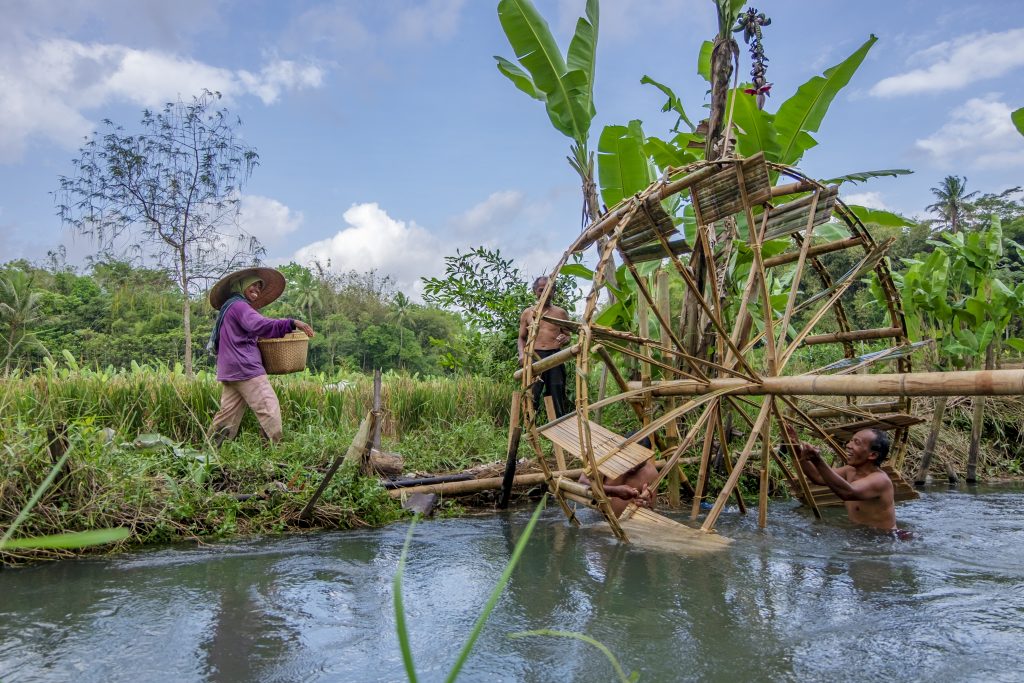
In 7th spot for our #WorldBambooDay Photo Competition: “The Bamboo Waterwheel” by Foto Kampung (@foto_kampung)⁠

Juara 7: Kincir Air Penyelamat Kehidupan ⁠: Kincir air tradisional ini memang menjadi penyelamat petani di Dusun Gedongan Bondowoso Mertoyudan Magelang saat kekeringan. Meski kini banyak desa yang beralih ke pompa air bertenaga mesin, namun di Dusun Gedongan masih memilih menggunakan kincir berbahan dasar bambu ini. ⁠Bambu memang banyak tumbuh di wilayah ini, dengan ilmu warisan nenek moyang, masyarakat di sini membuat dan memanfaatkan kincir air dari bambu ini untuk mengalirkan air dari Kali Gending menuju sawah mereka.

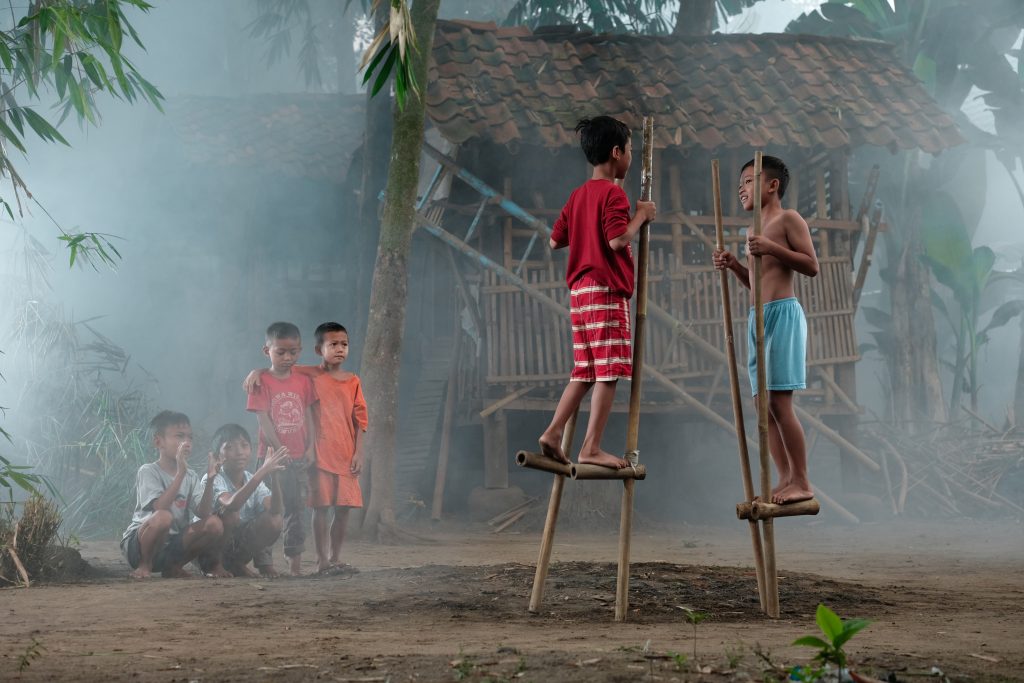
In 8th position: “Playing on Stilts” by Deddy AWL (@basah_betae). ⁠

Juara 8: Melawan Lupa : Egrang mulai ditinggalkan. Permainan tradisional ini membutuhkan dua buah bambu atau kayu yang panjang. Kayu atau bambu tersebut digunakan bak alas kaki untuk berjalan. ⁠

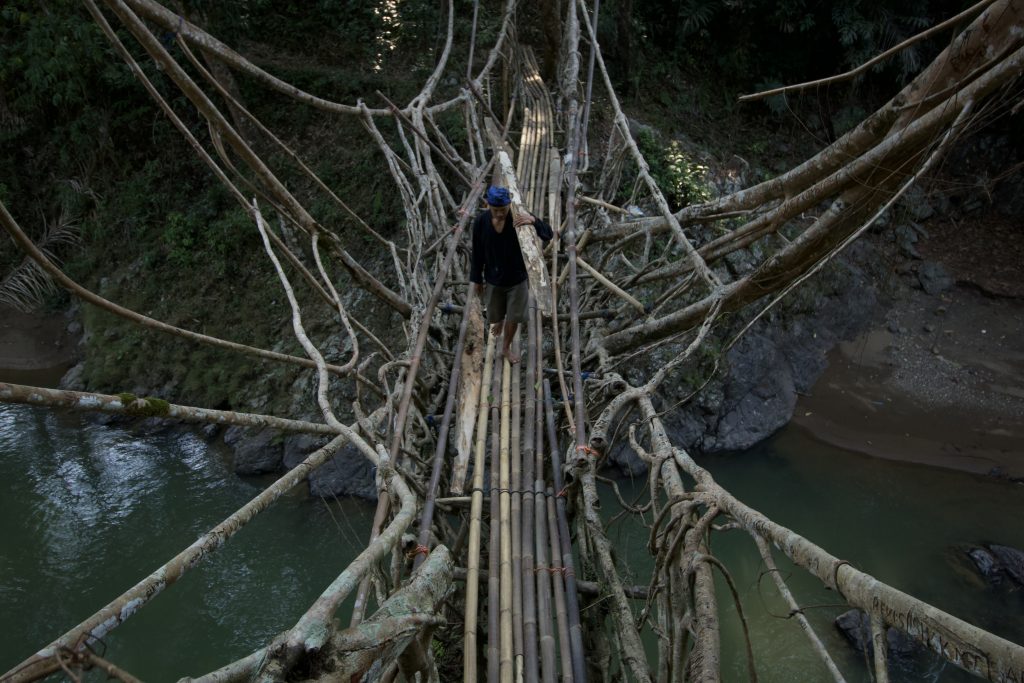
In 9th position for the #WorldBambooDay Photo Competition: “The Living Bridge”. Taken by Hendryana Hera (@ahera_h2p). The base of the bridge is bamboo. ⁠

Juara 9: Meskipun namanya jembatan akar tapi bambu yang menjadi alas pijakan kaki

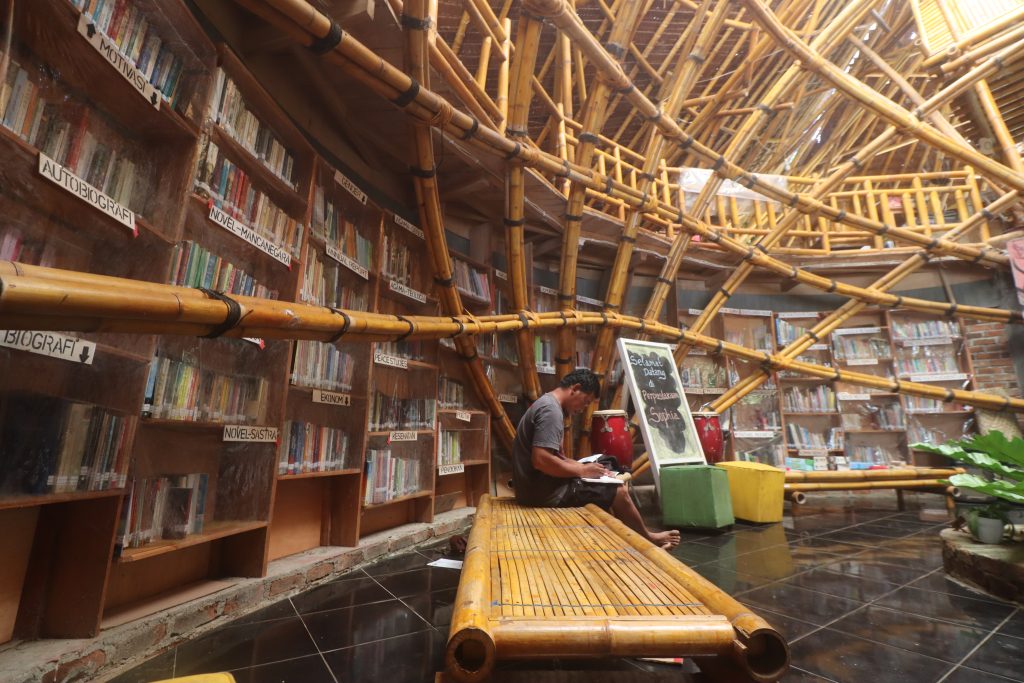
And at number 10: “The Bamboo Library” by @basrulidrus_photo taken in Central Sulawesi. ⁠

Juara 10: Perpustakaan dari Bambu : Perpustakaan yang terbuat dari bambu tersebut di beri nama dengan perpustakaan Sophia. Tiap harinya selalu di datangi pengunjung mulai dari kalangan anak-anak, remaja, dan lansia untuk memperoleh informasi dari hasil bacaan.


Why Women are the Key to Climate Change Mitigation

Why Women are the Key to Climate Change Mitigation

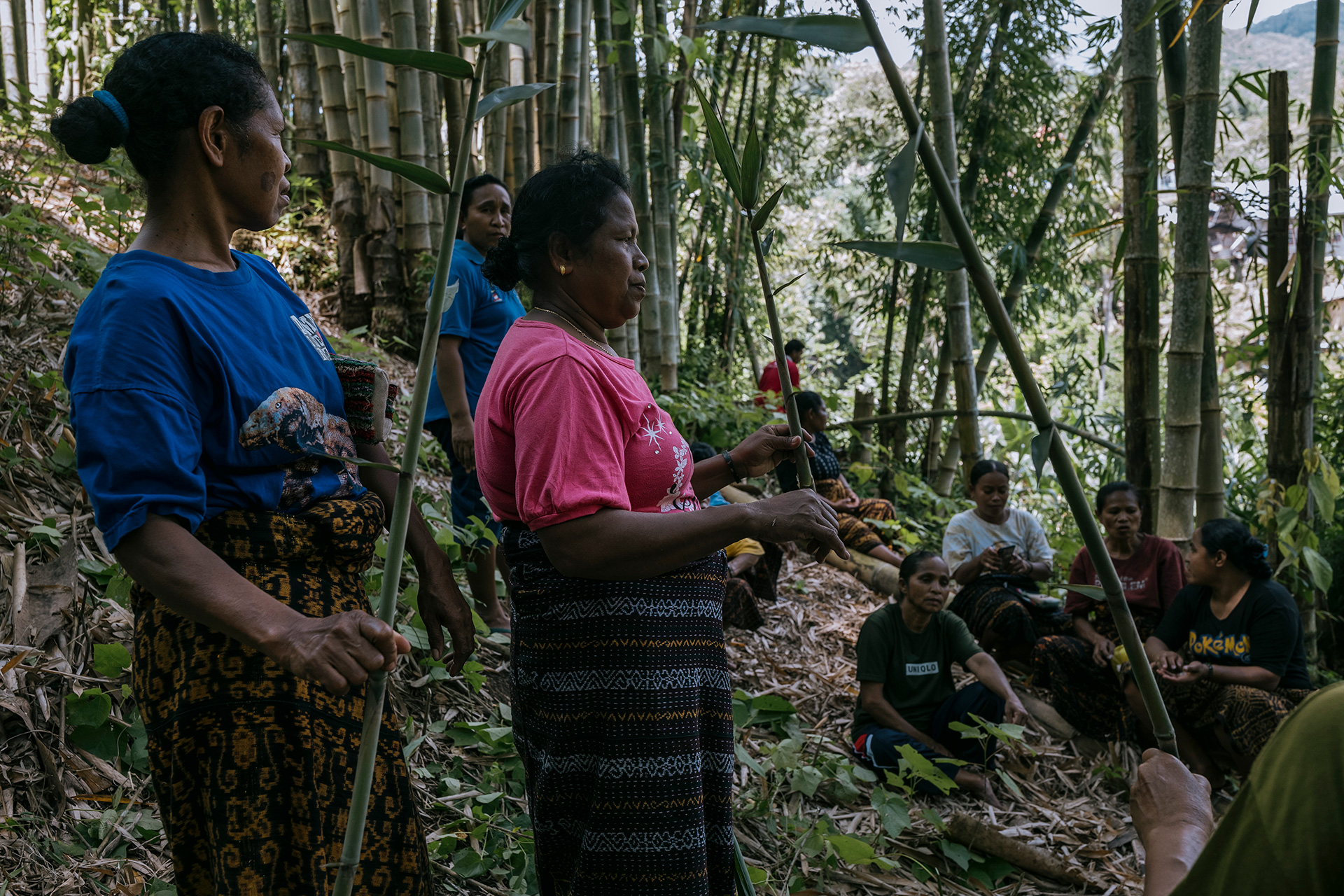
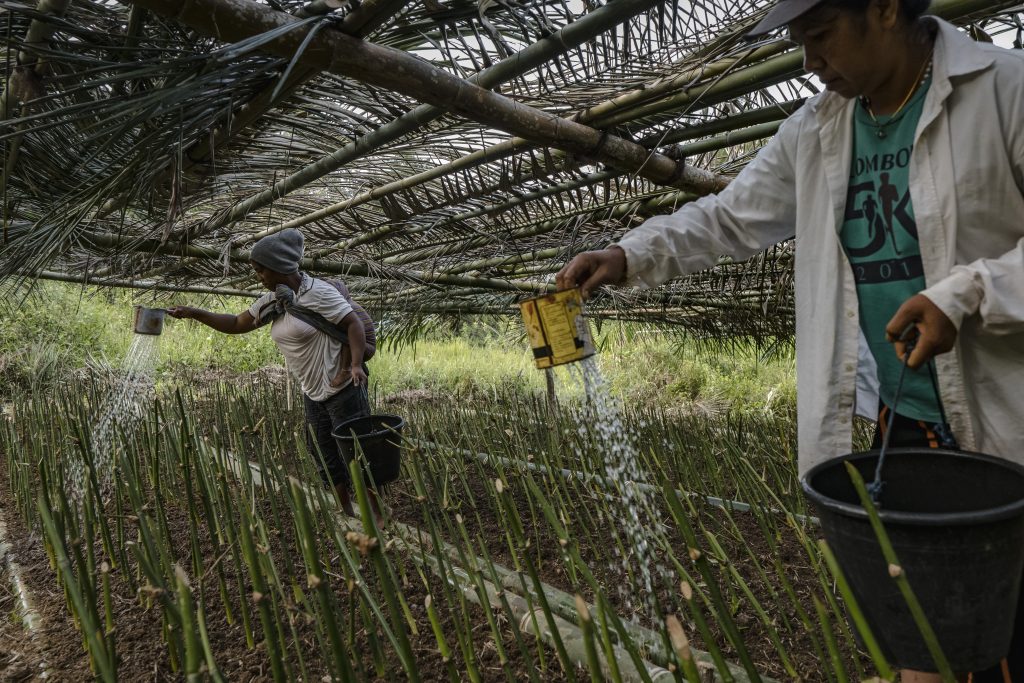
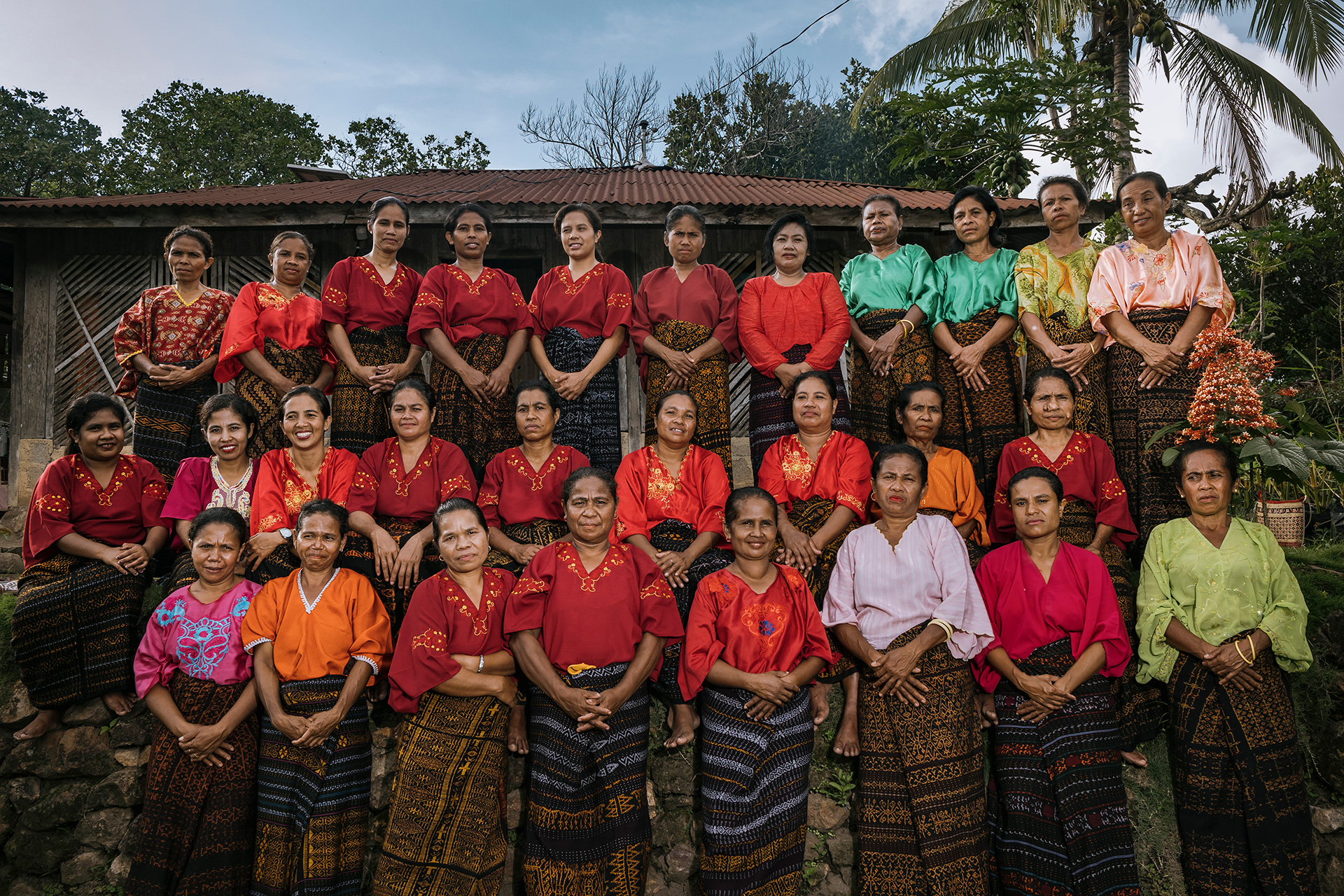
In Ngada Regency, central Flores, thousands of people live in villages close to forest areas that are home to dense thickets of old bamboo. These towering green poles were not planted by the villagers, however, but by their ancestors.  Before their involvement in EBF’s Bamboo Village program, most women in Ngada Regency had never propagated a bamboo seedling, but now their perspectives and participation are seen as the key to climate change mitigation.

According to global advocate Women Deliver, the first steps toward sustainably tackling the climate crisis are to ensure that girls and women are recognized for their environmental solutions and have a seat at the decision-making table. Across the world, it is women who most often determine their family’s consumption of resources, and they also contribute significantly to agricultural production, land management and conservation. The UN has found that in rural regions where subsistence farming is common, women and girls are the primary providers of food, water and fuel.

Climate change directly impacts the availability of resources and makes tasks normally performed by women increasingly difficult. Combined with existing gender inequalities, it will come as no surprise that women and girls are disproportionately impacted by climate change and comprise the majority of climate migrants.

Further, according to climate change policy analyst Nina Jeffs, women’s participation in addressing climate change generates more effective and equitable climate outcomes. “Research demonstrates that due to socially prescribed gender roles, women assess risk differently to men and typically prioritize the welfare of their families and communities in resource-management decisions,” she writes.

This disproportional impact and urgent need to recognize women’s contributions and solutions is the driving force behind the joint statement published by the Scottish Government and UN Women at COP26, calling for the role of women and girls to be advanced in addressing climate change. It is also why EBF is now taking a ‘gender mainstreaming’ approach to its Bamboo Villages.

Gender mainstreaming is a strategy to achieve the goal of gender equality. According to the UN, its aim is to ensure that gender perspectives and gender equality are central to all project and program activities — development, research, advocacy, dialogue, legislation, resource allocation, planning, implementation, and monitoring and evaluation.

EBF incorporates gender mainstreaming through its Mama Bambu program, which provides space for women to be physically present in every decision making process regarding bamboo conservation and utilization in Ngada, while amplifying their views on the sustainable use of bamboo. Bamboo helps mitigate climate change in Indonesia in various ways, from carbon sequestration to environmental restoration.

Mama Bambu

Monica Tanuhandaru, EBF’s Executive Director, has said that she hopes the gender mainstreaming approach will be used by Indonesia’s provincial and central governments so its benefits can me multiplied. “The women in the Mama Bambu program build their knowledge of how to look after forests, restore the land, and plant bamboo. In the longterm, it should become a national strategic project that could make a huge contribution to the development of Indonesia, borne from the hands of women.”

Environmental Bamboo Foundation signs MOU with SEAD Plant in Malaysia

Environmental Bamboo Foundation signs MOU with SEAD Plant in Malaysia

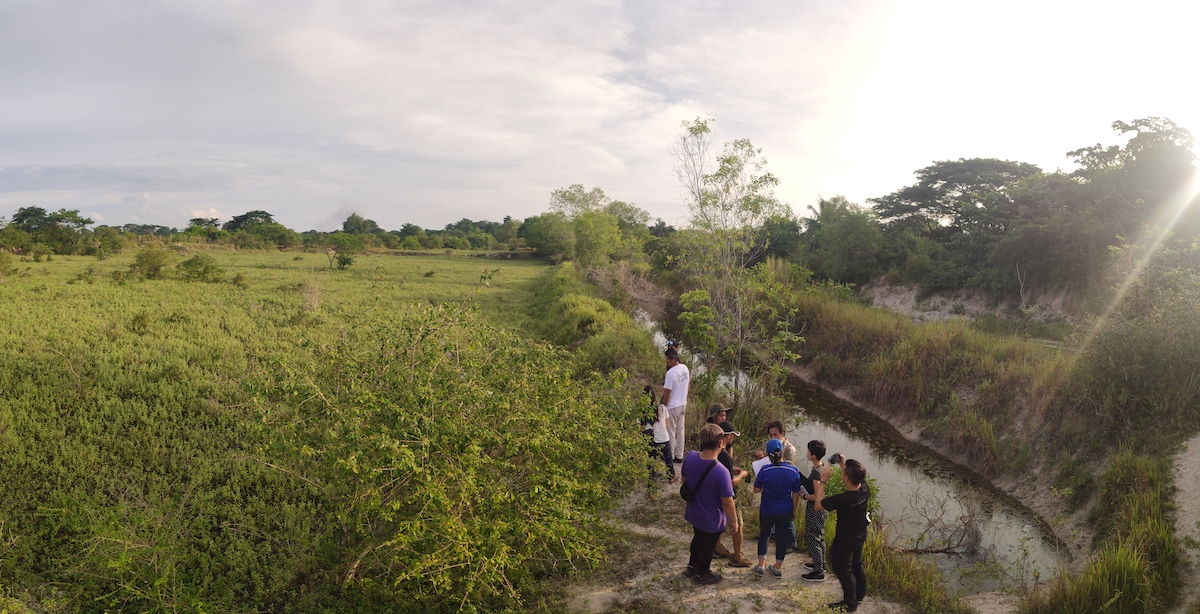
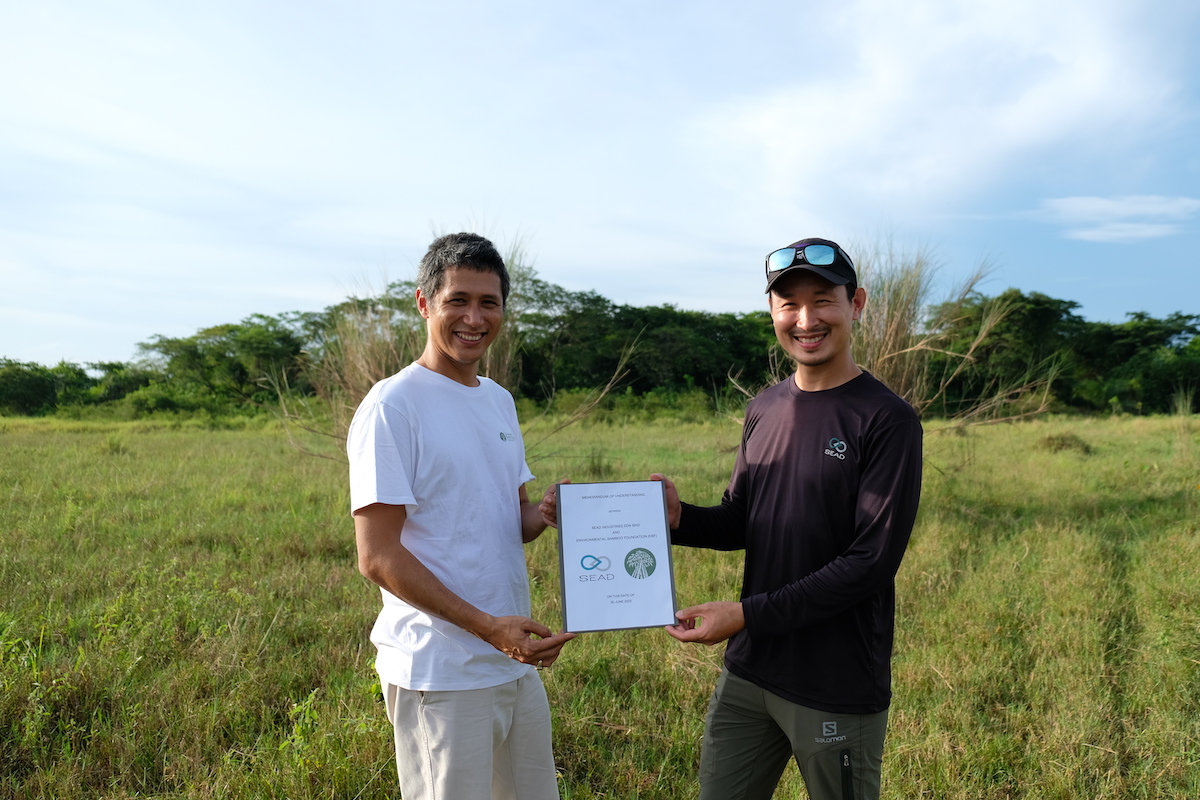
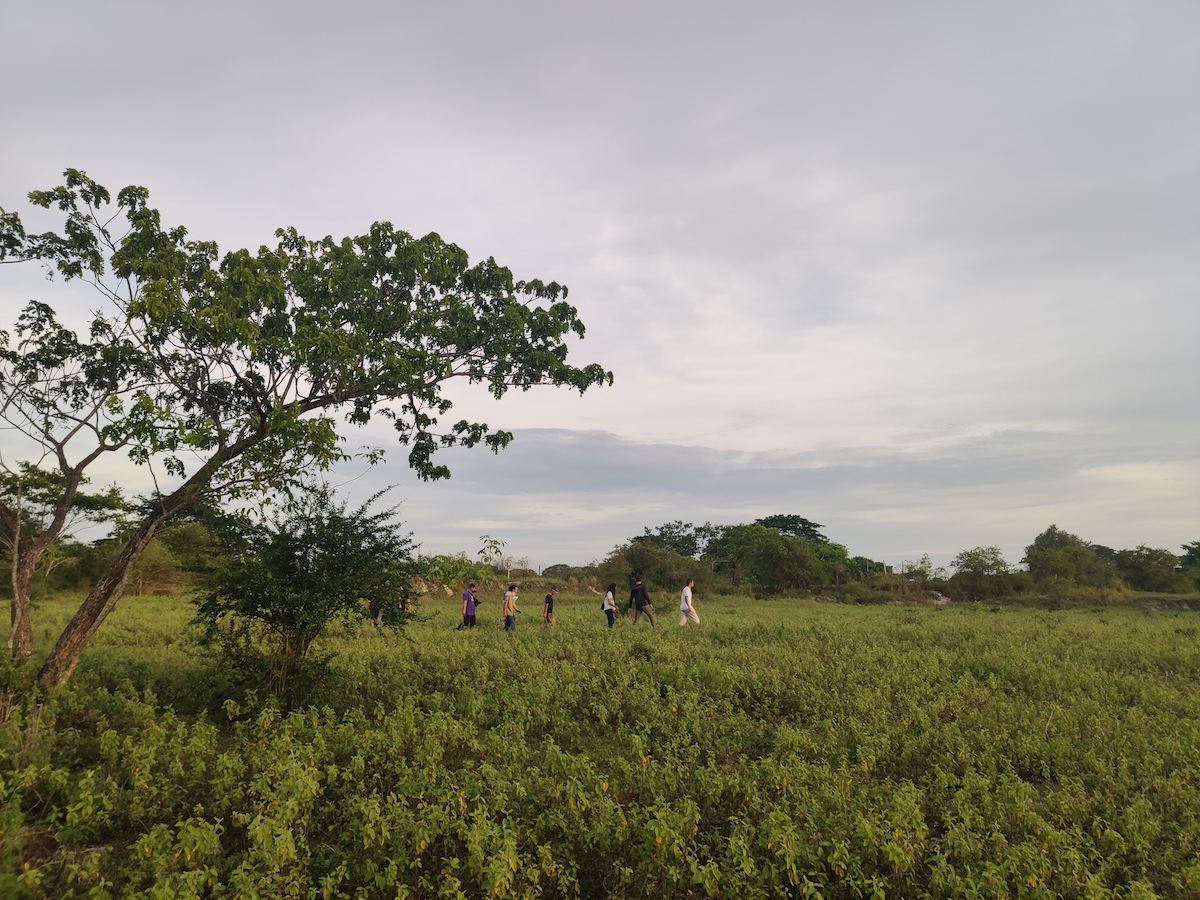
The Environmental Bamboo Foundation (EBF) has joined forces with SEAD Plant, signing an MOU in June 2022 to facilitate transfer of knowledge between the two organizations with the aim of growing the Bamboo Village Initiative in South East Asia. This is the first time EBF has ventured outside of Indonesia to forge formal ties with an organization with similar aims and vision.

The cooperation between SEAD and EBF will help to share key lessons learned between communities in both countries in the hope of developing a village-based bamboo industry. The similar climates and agricultural traditions of the two countries make this a very natural partnership.

EBF aims to create more partnerships with the ASEAN region as each have longstanding relationships with bamboo and bamboo-based village industries.

SEAD and Environmental Bamboo Foundation share the same lifelong mission to restore heavily degraded lands with bamboo; one bamboo forest at a time. The path we both walk down may not always be a straight one, with ongoing challenges and human skepticism but the goal to empower the rural ‘rakyat’, one ‘kampung’ at a time ignites our passion to serve the communities.

SEAD stands for Stewards of Environmentally-Aware Development and is an environmentally-focused company specializing in the utilization of bamboo as a sustainable solution for the built environment, land restoration and community empowerment. SEAD is based in Perak, Malaysia.

EBF is a non-profit organization that since 1993 has studied and showcased bamboo as a social, ecological and economic solution for indigenous and local communities. Together with the local government and rural communities, EBF is currently intensively developing village-based bamboo industry and bamboo agroforestry villages in NTT. EBF has also started initiating the program in the provinces of Bali, East Java, West Kalimantan, and Central Kalimantan. In 2021, EBF assisted 388 ‘Bamboo Mamas’ in 21 villages in 7 districts in Flores and succeeded in creating and caring for 2.5 million bamboo seedlings.

PRESS

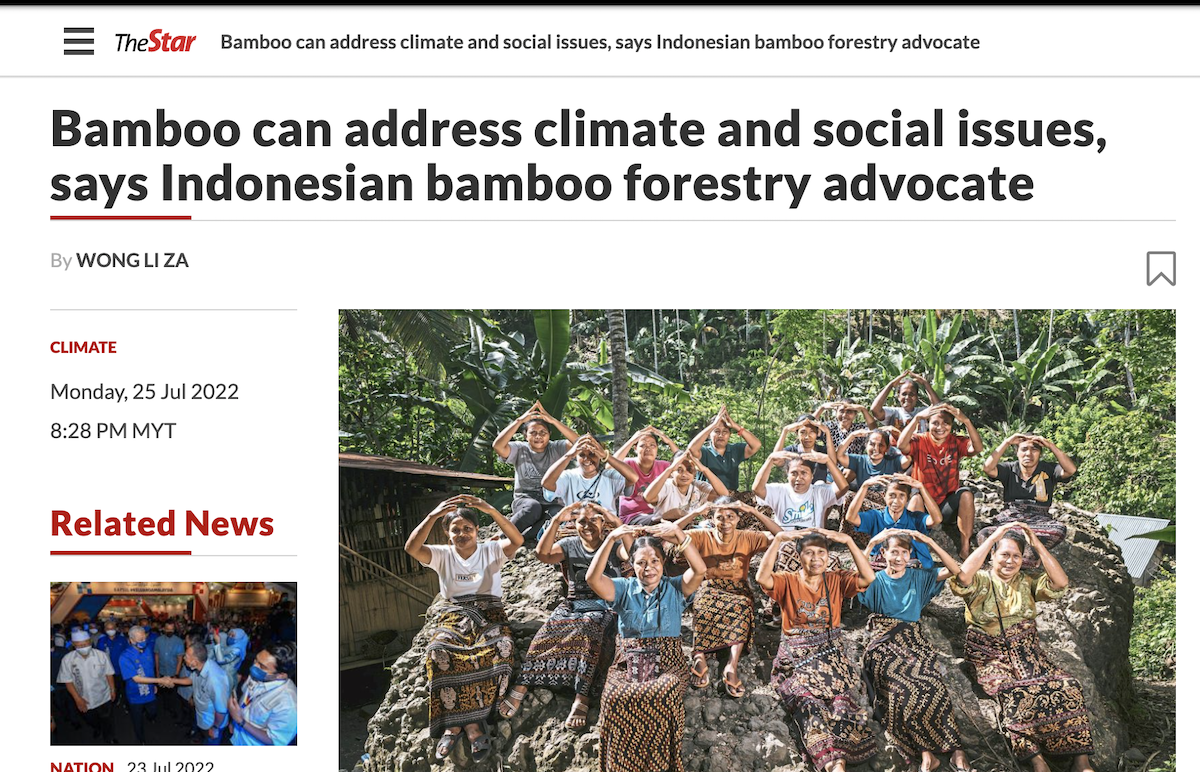
Bamboo can address climate and social issues, The Star, July 2022

“Land degradation has caused Indonesia to become the fifth largest carbon dioxide emitter in the world,” said Rabik, one of the speakers at the Kuala Lumpur Architecture Festival’s (KLAF) Datum: KL conference held earlier this month.

“And the people who suffer the most are the rural communities, smallholder farmers and the very poor,” added Rabik, who also sits on the Advisory Board of the United Nations Decade on Ecosystem Restoration 2021-2030.